Tea Burn | Your Best Weight Loss Booster

Tea Burn | Your Best Weight Loss Booster
Electrifying metabolism, Burning off fat, Improving health

Sunday, September 18, 2022

Black Coffee And Weight Loss

 Coffee is the best companion for those who work or study late into the night. 

And for those who like caffeine and are health conscious, black coffee is the best choice.

Other than having power to make us stay awake, black coffee is the ultimate 'zero-calorie' beverage that's known to promote weight loss. 

A study from the Harvard School of Public Health found that drinking four cups of black coffee a day can reduce body fat by about 4%.


Can black coffee help you lose weight? Yes.

Black coffee helps burn more fat 

If you drink black coffee regularly after dinner, the presence of chlorogenic acid reduces the amount of glucose produced in the body, causing more fat to be burned.

Black coffee increased metabolic activity 

Regular consumption of black coffee also shoot up metabolism, increasing energy levels in the body. This also leads to food craving repression, which improves your chances of weight loss.

Does Coffee Help Your Body Burn Fat?


Black coffee is a natural healer

Caffeine removes water retention and bloating from the body, consequently support urination and weight loss.

Black coffee has Fat-Burning capabilities

Caffeine assists the body release more fat-burning enzymes and acts as a natural cleanser for the liver. By getting rid of bad cholesterol and excess lipids, black coffee enable the metabolism to work efficiently.

Tuesday, June 29, 2021

Three Delicious Flat Belly Foods

Hello there!

If you're trying to lose belly fat or maybe just want to relief bloated stomach, try these tips.

Here are three delicious foods that help to flatten your belly. I hope you find this article helpful

Title: 3 best flat belly foods

Source:  Nutritiouslife

Eating “clean” but still feeling “puffy”? Pants that usually fit not fitting? Blame bloating.

One of the most frustrating situations I see clients face is eating “perfect” but still feeling “fat”.

All those veggies, you still feel yuck, and your button just popped. I feel your pain.

When it comes to feeling puffy, you can blame the extra inches circling your waist on gas and/or rebellious digestion, which can be caused by:

    overeating
    eating high fat foods
    eating too fast
    chewing gum
    drinking from a straw
    sucking on hard candies
    consuming sugar alcohols
    consuming artificial sweeteners
    carbonated beverages

Some of our fave healthy foods, like beans, dairy and veggies like Brussel sprouts, broccoli and cauliflower, can even make us bloated. Unfair, I know.

Good news for you,  we can get rid of some of your discomfort with a few delicious flat belly foods.
 

3 Best Flat Belly Foods:


Dandelion greens

dandelion greens


Dandelion greens are great at deflating your bloat thanks to their fiber profile and ability to stimulate the digestive system, moving things along your digestion pathway.  Think, moving along at a nice pace on the highway versus getting “backed up” in traffic.

They also have amazing diuretic properties (can you feel that puff reducing already?), which have earned them a claim to detox fame and although there is no concrete scientific evidence, they have been linked to cleaning up your liver and kidneys for centuries.

Dandelions aren’t just for picking.  Add 1 cup dandelion root tea to your night time routine until your symptoms subside and add into your salad or side veggie rotation a few times per week.


Kimchi

kimchi


Kimchi is fermented cabbage and it’s as famous to Korea as peanut butter is to America.

Kimchi’s fermentation process loads it up with probiotics, those friendly bacteria that aid digestion, rid your belly of gas and fix the bloated feeling.  Yes, I often recommend a probiotic supplement but I never want people to skimp on getting nutrients from real food which is usually the most absorbable form.

Nowadays, kimchi is hanging out on local bodega and supermarket shelves somewhere near the pickles. It’s exotic presence — think 10th grade science lab jars — is hard to miss.

Aim to have at least 1 fermented food per day. If you choose kimchi, eat it as a side dish (a few bites or a 1/3 cup is all you need), top a salad or saute it up with an egg for a delicious lunch or snack.


Bananas

bananas


Bananas are my go to bloat busting tool. The potassium in bananas helps drain your body of water it sometimes likes to retain.  Our bodies often retain water in and outside of our cells due to consuming foods high in sodium.

Have you avoided bananas because you fear they’re constipating? Let’s debunk this one: unripe bananas are linked to constipation, but ripe bananas are actually full of fiber and excellent for constipation prevention and relief.

I recommend 1 or 2 max pieces of fruit per day.  When you’re feeling bloated add a banana to rotation. Have one with a couple of teaspoons of nut butter or treat yourself to banana-pops for dessert.

Want more? Thought so. You’re welcome!

Saturday, April 24, 2021

American 'cheese' isn't really cheese

Article: One Major Side Effect of Eating American Cheese, Say Experts


Is it even considered real cheese? Experts weigh in.

When you need to top off a burger or make the perfect grilled cheese, nothing does the trick like a slice or two of American cheese. This iconic sandwich essential has graced cookouts, family meals, and quick snacks for decades, but has attracted its fair share of flack due to some less than wholesome ingredients.

"American 'cheese' isn't really cheese," says Jay Cowin, ASYSTEM's registered nutritionist and director of formulations. "It contains less than 51% of cheese curds making it a 'cheese product.' The rest is made up of preservatives, whey, and other additives giving it an absurdly long shelf life."


The added amount of sodium means that the product guarantees to raise blood pressure, making it a particularly dangerous dairy product to overindulge in. (Related: 100 Unhealthiest Foods on the Planet)

"The stuff that makes up this cheese product has been proven to be harmful to your health," Cowin continued. "Aside from one slice being around 60 calories they also contain a high amount of sodium. All of this can lead to high blood pressure, hypertension, and heart disease. The risk is thinking you're eating something that's going to benefit you but in reality, you're causing more harm to your body. Steer clear of processed foods. If it's too good to be true, it probably is."


Diana Gariglio-Clelland, Next Luxury's RD, concurred that the greatest risk we encounter when we eat American cheese comes in the form of increased blood pressure via the food's sodium count.

"[American cheese is] made from real cheese, but is processed to give it a creamy texture and a lower melting point," says Gariglio-Clelland. "Processed foods are the leading sources of excess sodium in the typical American diet, and American cheese is no exception. One ounce of American cheese contains 468 milligrams of sodium or around 19% of the daily value. In comparison, one ounce of cheddar cheese contains 174 milligrams of sodium, which is only 7% of the daily value."


"It's recommended to not consume more than 2,300 milligrams of sodium per day, yet the average American consumes more than 3,400 milligrams per day," says Gariglio-Clelland. "Excess sodium in the diet can worsen common health conditions like high blood pressure, kidney disease, and heart disease. When excess sodium is consumed, the water holds on to more fluid, which puts more of a strain on the heart and kidneys through increasing blood pressure."


When in doubt, opt to include cheese with no fillers next time you want to whip up the perfect cheeseburger or grilled cheese—your body will definitely thank you. Or next time you make a cheeseburger, why not try this One Ingredient Everyone's Adding to Their Burgers instead!


Original article from EatThis,NotThat!

Wednesday, July 10, 2019

Lose Weight Fast Drinking Rooibos Red Tea

Green tea not just healthy but can help you to slim down.
Infact, make it a habit to sip green tea first thing every morning you can lose weight fast.
The benefits of green tea weight loss is deniable. But what if there is something more powerful than green tea?

Yes, it is a known fact that green tea contains powerful antioxidants. These attributes help to lowering health risks such as cancer and cardiovascular disease.
As a health conscious person, it has been a habit to share practical tips and tricks for those pursuing healthy life style.

There was a buzz that green tea is gradually losing value in the light of its delicious rival – rooibos.
What is this rooibos anyway?
Rooibos, also known as red tea, is equally high in antioxidants, but is sourced from different substances to that of green tea.
The antioxidants contained in rooibos – aspalathin and nothofagin – are comparatively rare, and help to regulate blood sugar, reduce excessive fat production, lessenstress, and inhibit metabolic disorders.
Red tea has no oxalic acid, and therefore, it can be consumed by people who have kidney stones.

Following the outcomes of up to date researches, on top of current findings related to the major players in sustainable weight loss, I would consider red tea is significant. In addition to preventing heart disease, diabetes, Alzheimer’s and more, it is an accessible and effective answer to weight gain.

Rooibos means red bush. The plant is readily available, with leaves that turn red upon fermentation.
With so much potential to assist with our health and wellness journey, it would be wrong to ignore the value of the plant.Unlike green tea, red tea does not contain caffeine, and therefore drinking the blend at night won’t leave you restless.
Another factor of its ultimate superiority is simply – taste. The bitterness of green tea is often attributed to its high tannin content, which is less prevalent in red tea.

The health benefits of red tea are abundant. It is one of the best beverages for those who care about their overall health. The beneficial factors that have been positively correlated with red rooibos tea are astounding.
Many health products do not aim to bridge the gap between adults and young children, but the pursuit of health is of equal importance for both demographics. Which is why I am happy to share some information on a recipe that caters to all ages and tastes, with the inclusion of a sweetened version of the recipe.
This particular program is fresh and matchless, already actively  transforming lives since its launch.
For more article on benefits of rooibos red tea, not just to help you lose weight fast, click here to check it out - The Red Tea Detox

Thursday, August 3, 2017

Breakfast Foods For Weight Loss

Eating a morning meal is a healthy habit if you're trying to lose weight. Research shows that regular breakfast eaters tend to be leaner and dieters are more successful at losing weight and keeping it off when they eat breakfast. It's smart to make your morning meal count. Hit your goals in no time with these tasty, zero-deprivation tactics, all of which have been proven by scientific studies.

Eat These Foods for Breakfast to Lose Weight Faster


What did you eat for breakfast this morning? Did you eat anything at all? While you could skip breakfast to avoid unhealthy foods and/or lose weight, choosing the right breakfast foods might actually get you closer to your goals than skipping it altogether.

Losing weight takes a lot of effort, patience, and courage. Trying new foods — and refining your cooking skills — can be overwhelming. But small, simple changes — like saying no to fast food, and mixing up your breakfast choices — can have epic results. Here are a few powerful breakfast foods you can prepare at home to help you curb cravings, shed pounds, and feel better in no time at all.

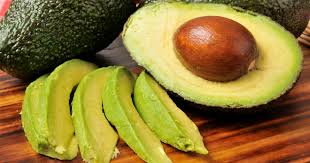
1. Avocado

Breakfast for weight loss - avocado
Avocados are great for weight loss and they go with everything, basically.
Avocados are everywhere — but that’s not necessarily a bad thing. A healthy dose of avocado for breakfast, especially paired with high-protein dairy or grains, can fill you up in no time. One serving provides 3 grams of fiber and 1 gram of protein. It’s a great substitute for high-fat or high-sugar spreads on toast, because it has just enough healthy fat to give you extra energy without leaving you hungry two hours later.

If you’ve had enough avocado toast (understandable), there’s plenty more you can do with this fruit to start your day off right. Bake it into a breakfast pizza. Mix it into your scrambled eggs. You can even use fresh avocado to bake healthier muffins and vegetable breads.

2. Steel-cut oatmeal

Oatmeal is full of fiber, which could help you lose weight faster.
The vast majority of ready-to-eat breakfast cereals are high in calories and sugar, resulting in a pretty empty and unsatisfactory breakfast. Hot cereals like oatmeal, however, provide the complex sugars and fiber a bowl of Lucky Charms can’t. Just one serving of cooked steel-cut oats yields 5 grams of fiber — a decent amount for just one meal. Cook your oats in water, or use milk for a slight protein and vitamin boost.

You could eat your oatmeal plain, but it’s OK to add your own flavor, either with spices like cinnamon or add-on like bananas or granola. This is much better than pre-flavored instant oatmeal, which packs in way more sugar than you need so early on in the day. Also make sure you’re adding plenty of protein into your oatmeal so you can keep your mid-morning snack — if you have one — fairly small.

3. Eggs and toast

Breakfast for weight loss - eggs and toast
Eggs are a healthy source of protein and good fats.
An egg breakfast sandwich is both filling and delicious.

Eggs are a popular breakfast staple for a reason. They’re not only versatile (Boil them! Scramble them! Fry them in oil!), but they’re also extremely nutritious. A single egg has 6 grams of protein and 5 grams of healthy fat, says Healthline, plus plenty of essential vitamins and minerals.

Toast, made with whole grains instead of white bread, is also a nutritious addition to your breakfast plate. The two together create a well-rounded pair full of flavor that’s guaranteed to leave you feeling satisfied till lunch. You can even add other ingredients to make a full breakfast sandwich — like avocado, tomatoes, and cheese.

4. Nut butter

Nut butters are packed with healthy fat and protein.
Most nut butters are healthier than peanut butter.

Nut butters can be high in calories per serving, but the protein and healthy fats they provide make up for that. You don’t want to go too crazy — they’re healthier than peanut butter, but not by too much. However, it’s not only a good alternative for those with peanut allergies, but also for anyone who wants to start their day off with more fiber and healthy fats that taste amazing.

5. Spinach
Breakfast for weight loss - spinach
Spinach is a healthy, versatile vegetable.
There’s a lot of protein packed into these leaves.

Many people find it difficult to incorporate even one serving of veggies into their breakfast. Grabbing a power bar or devouring an Egg McMuffin on the way to work won’t cut it. You might be surprised how easy it is to add some plant foods like spinach to your first meal of the day — especially because most are naturally fibrous and low in sugar.

A cup of spinach has just under 1 gram of protein, and about the same amount of fiber. Adding even a handful of leaves to your breakfast sandwich, omelette, or frittata will give you the long-lasting energy boost you need to make it through the morning.


6. Greek yogurt

Greek yogurt is higher in protein than regular yogurt.
Pair yogurt with fresh fruit to boost your fiber intake.

Eating a variety of foods from different food groups is a healthy way to eat without getting bored. Choosing a healthy source of dairy isn’t always easy, but the right combinations could jump start your weight loss in no time. Research has shown foods like yogurt are optimal for weight loss. Greek yogurt especially, tends to be higher in protein and lower in saturated fat than regular yogurt, which is why it’s a breakfast food you should welcome into your morning routine.

You don’t have to eat yogurt straight out of the container to add more protein to your day. Spread it onto your bagel in place of cream cheese. Include it in your homemade smoothie. You can even bake scones, biscuits, and muffins with plain Greek yogurt instead of butter.

7. Brown rice

Brown rice is a delicious and nutritious breakfast food.
Not in the mood for oats? Try rice instead.

Mixing up your breakfast choices might mean eating something you never thought could work as a breakfast food. Rice for breakfast might seem out of the ordinary, but it’s actually one of the easiest ways to fill your belly and fuel up before your day starts. Unlike white rice, brown rice is a whole grain — it provides much more protein and vitamins per cup, and has a much stronger flavor, too.

Brown rice is a popular and highly effective oatmeal replacement. Toss in some fresh fruit and cinnamon to enjoy a gluten-free breakfast bowl worth savoring. Just try to avoid adding butter or sugar, which kind of defeats the purpose of making a healthy bowl of rice.

( source: https://www.cheatsheet.com/health-fitness/eat-these-foods-for-breakfast-to-lose-weight-faster.html/)

Wednesday, June 14, 2017

How to lose weight living healthy

Knowing what's matter for healthy living and how to achieve it, is the best way to lose weight, and have healthy and fitted body.
If you look at the most common factors that contribute to well being of our body, committed to healthy lifestyle is not that difficult.

Here, let's see what are the common factors that play important roles in human's well being.
They are - nutritious diet, active lifestyle and better sleep.

Read Mary's success weight loss story.

What's healthy living means to you?
To some people, healthy living means; eat less fatty foods and more veges, exercise more, no cigarette and don't do drugs.

Well...that's maybe true!
A non-smoker and not a drug user tend to be healthier and live longer compare to apposite individual.

1. Our body needs nutritious diet.
Twenty years ago, when my friend says, "I'm on diet", I used to think she's turning to vegetarian. LOL...
I used to think healthy diet is all about eating fresh vegetable, vegetable suppose to be healthy and eat less meat, because meat makes you fat. And, there's a saying, "Don't eat meat if you want to lose weight fast."

Some times ago there was a poster, eating healthy campaign, "You are what you eat", with an over-weight boy eating a huge hamburger, to some people that's totally give the impression, eating hamburger would make you fat.
Yes! That's got to me too.

Our body needs nutritious diet in order to be healthy, but what does "nutritious diet" mean?
Nutritious diet means eating healthy, so to say, you may eat what ever you want provided that foods give you the nutrients you need to maintain your health, feel good, and have energy.
These nutrients include protein, carbohydrates, fat, water, vitamins, and minerals.

Nutritious diet when combined with being physically active play an important role for a healthy and strong body, and surely help you lose weight fast. What you eat can affect your immune system, your mood, and your energy level.


If you want to know more about nutritious diet and what's best, talk to your doctor or a dietitian for personalized dietary advice that takes into account your health status, lifestyle, and food likes and dislikes.

How to lose weight living healthy will continue.

Saturday, June 10, 2017

Success Weight Loss Story For Real!

This is the story of Mary Gould's weight-loss story.

Mary Gould start gaining weight rapidly in 2010, that time she weighed 150 pounds, already experiencing some health issues, and when she turned 39 in 2015 her weight increased to 225 pounds.

In 2012, Mary got married and was ready to embrace her new life-partner. At that time she already had two sons of her own.

After few months of her new life, Mary becoming ill, and as it continued become worse, she constantly made a trip to the hospital.
That time her doctor could not explained what the real causes that had her health to deteriorate much, until it was almost too late. In the end, her health issues had become major contributor to her great weight gain.

Adding to the pain, during all of her health crises and the weight gain, Mary's husband left and she became homeless.
She was at very bad spot, and realized she has to do major change for the sake of her children.

Here more reads about Mary's weight loss journey...

Mary Gould's success weight-loss story
The Changes

Because I was in such poor health by this point, I had to start my journey very slowly. I was able to find temporary housing, but it had very little space or kitchen facilities, so I had to get creative if I planned on losing the weight. I started with a Crock-Pot, a small tabletop grill, and a tiny fridge. I would get meats and fresh veggies and I would stretch them for several meals. I cut out all sugars, pastas, and breads. I didn’t count calories or use a specific plan because I had few available resources, but I knew I had to make a change to reclaim my health.

I had very little space in the housing, but I had to find ways to exercise. Because I was in so much pain, it was a slow process. Each day, I would take a few steps around the parking lot of the place I was staying, and each day I would feel like taking more steps and it progressed from there. I got an exercise DVD and started increasing my efforts to have more physical activity in my life.

At first, I saw little change in the way that I was feeling but I saw my son’s face each day and I knew he needed a healthy mom and I wanted so much to keep going for him. Even on the days I felt I couldn’t take another step, I would tell myself, “Mary, the rest of your life will be the best of your life,” and it helped me push through the darkest days.

The After

I started feeling amazing and began to celebrate the non-scale victories along the way. I was able to do things with my son that I previously could not accomplish. For several years, I had put a “do not disturb” sign on my heart and was focused solely on my wellness journey, so I had put my dating life on pause. Last year, though, I met a wonderful man who was on his own health journey, and I was now emotionally ready to pursue dating.

I am honestly amazed when I look at life now and see how far I have come. Before, I had little self-confidence and hated taking pictures of myself, but after the weight loss I was surprised at how much confidence I was gaining.

The Maintenance

I do affirmations that help me stay focused and positive. I strive to eat healthy each day and keep fresh vegetables around for snacks. I drink water equal to half of my body weight in ounces.
I am part of a wonderful accountability group on social media that is very helpful. When I first started my journey, I was completely alone, but now I have people who I can check in with who understand.

I was introduced to some amazing health products that have helped me daily to get the vitamins and enzymes I need, which I lacked after the previous mold exposure. I have continued my healthy cooking and now incorporate portion control containers so I can see how much I am consuming daily. I have continued my exercise, starting each day with an hour-long walk.

It inspires me to have people message me and let me know that they have made a healthy change in their own lives or lost weight because of something I have shared with them. I have wonderful sons and a supportive significant other, and I want to live a long life for them, so that really keeps me motivated.

I have now became a health and wellness coach to help others along in their own journeys. I am just starting out, but I want others to see firsthand that if someone like me, who had so many challenges to overcome can do it, then they can too.

The Struggles

I think the main struggle is in my mind. When I don’t see the progress right away, I have to remind myself of how far I have come. When I struggle, I have to remember I am still progressing in the right direction.

Advice

My best advice is don’t give up when you have bad days. Push through the pain. Don’t think of reasons that it won’t work, just focus on why you started and why you are not going to give up!

source:https://www.yahoo.com/beauty/mary-gould-lost-245-pounds-decided-time-reclaim-life-become-best-version-163738677.html 

Friday, July 18, 2014

You Need Fat Burning Diet to Loose stubborn Belly Fat

"Help me loose my belly fat! Fat is bad!"

Discover 7 "FATTY" Foods that Can Help You to Get a Flat Stomach

Knowing what belly fat is and how it is accumulated in daily life is the first step to lose in it.
Here is an article that should help you understand some facts about belly fat.

Article: What is belly fat and why is it such a problem?
By Chris Reichert and Joey Cardillo

Fat has been vilified!

And to be completely honest, “fat” is actually not a bad thing – we need it! But too much of it can most definitely put a burden on the body in many ways.

Let’s start with some basic facts…

The human body actually has two different types of fat…

The first is often referred to as subcutaneous fat. It is found just under the skin and is fairly easy to spot – cellulite or those infamous “love handles” are both good examples.

Subcutaneous fat is typically considered “easier to access” and this is why it is often targeted for cosmetic surgery, as it’s the type that liposuction can extract from the body.

Doctors can basically suck it right out!

The second type of fat we’d like to discuss is visceral fat.

Visceral fat is also known as “abdominal fat,” as it’s located deep under the skin in what’s referred to as the “peritoneal cavity.” This type of fat is theorized to be more of an issue because it surrounds very important organs like the liver and the heart.

Visceral fat is there for a reason, but too much of it can set off a chain of events in the body that nobody should really want to deal with, and we’ll be getting into all of that very soon.

An overabundance of visceral fat is linked up with some pretty dangerous health conditions, and science has proven that its development must be regulated if people are to lead healthier lifestyles.

But this isn’t what’s currently happening…

Millions of people today are struggling to get their abdominal fat under control, but very few are actually having the success that they so truly deserve.

Yes, it’s tough to get rid of, but it’s definitely not impossible…

We’d also like to point out that both forms of fat (subcutaneous and visceral) seem to play into the whole “big belly” look, so it’s important that both are watched and controlled accordingly.

Letting either spiral out of control can come with a host of problems, so people need to start seeing this issue for what it truly is – a massive health epidemic!

Let’s look at some facts so that we can put a little more clarity to all of this “fat madness.”

Visceral fat facts:

Too much visceral fat has been proven to be associated with varying degrees of heart disease, as many studies have confirmed such claims.

Visceral fat can influence the progression and development of diabetes, and the occurrence of strokes. Being that both states of health can lead to many other complications, overweight individuals should be more aware of their abdominal fat development.

Visceral fat can be a predictor of death in men. In other words, measuring one’s visceral fat composition can more accurately depict their mortality timeline.

Regular exercise is proven to help in ridding the body of excess visceral fat, but it’s NOT the sole answer to regulating its development. As you will see in this book, we’ll be going over many ways to combat its takeover.

Diet alone can address a large portion of the abdominal fat epidemic that millions of people are facing today. Cleaner eating often assists those who are trying to address these very common belly fat issues. For some reason, over the years, people have been led to believe that “exercising” is the only answer to getting a flatter midsection, and this is completely incorrect. Exercise is definitely part of the equation, but in general, it’s only a small piece of the puzzle.

Visceral fat puts massive amounts of stress on the body’s internal organs, and as you will see shortly, this effect can play out in a variety of different ways.

So as you can see, there are some dangers that are worthy of noting here.

And trust us when we say that millions of people today are battling these very issues.

Something needs to change, because to be honest, it doesn’t look as if society is getting anywhere in regards to slimming down.

Check out an article on fat burning foods here.

Thursday, July 17, 2014

Top 55 Muscle Building & Fat Burning Foods

We are what we eat!
Eating right not only improve healthy but best way to lose fat too.

If your fridge or food cabinets don't have junk stored in its, you are less likely to eat junk. Healthy nutritious foods are the best way to improve health for life.
Making smart choices and avoiding temptations each time you shopping for groceries is a simple way to start. Some of these choices not only focusing on fruits and vegetables, some will surprise you.

Now, let's see some of these smart choices.

Each week, be sure to stuffed your fridge with lots of varieties of fresh vegetables like onions, zucchini, spinach, fresh mushrooms, red peppers and broccoli. If you love having eggs for breakfast but still cautious of the cholesterol, no worry. Eggs are good, I'm not just referring to egg whites but whole eggs. Egg yolk is the nutritious part of the egg but many people avoiding it for the sake of the cholesterol.
Wrong! Whole eggs actually raise your good cholesterol.

For more of these 55 muscle building and fat burning foods, read the original article here.

Friday, October 4, 2013

10 Minute Tone-Up Workouts To Burn Fat Fast

Here is 10 minute tone-up workouts that help to boost your metabolism and burn more fat.

Start with warming up with 2 minutes of jogging on the spot and leg swings.
Do each exercise for 45 seconds followed by 15 seconds' rest, then repeat the circuit.

1. The reverse lunge -45 seconds
Works: upper back, core, glutes, legs and calves


  • Start with your hands on your hips, back straight and your legs together (A).
  • Step back with your left leg, taking a large step so your front leg is at a 90 degree angle.
  • Hold at the bottom of the lunge for one second (B), and then step your back leg back in. 
  • Repeat on your right leg, making sure both knees hit a 90 degree angle and your front knee doesn't go over your toe.

2. The single leg glute bridge - 45 seconds
Works: core, lower back, glutes and hamstrings


  • Start by lying on your back, with your knees bent and your arms by your sides, palm facing down.
  • Squeeze your bottom and raise your hips, so your body is in a bridge position.
  • Hold for a second, then raise your right leg (A), keeping your thighs in line. Hold this position for 5 seconds before lowering it.
  • Repeat on your left leg (B).

3. The deadlift into bicep curl - 45 seconds
Works: hamstrings, glutes, lower back, abs, biceps and forearms


  • Hold a dumbbell in each hand with your palms facing your legs (A). Hinge forward from the waist with a slight bend in your legs so your arms are hanging down towards the ground (B).
  • Lower until you feel a good strecth innyour hamstrings and glutes, then slowly return to standing. Pull your arms up and bent your elbows to perform a bicep curl, taking your hands to your shoulders.

4. The rotating plank - Repaeats 5 each arm
Works: back, obliques, abs and core


  • Hold a light dumbbell in each hand and hold yourself in a plank position while gripping your weights (A).
  • keeping your body in a straight form head to heels and your abs tight (no sagging), twist your body to one side and raise your upper arm straight up in the air(B).
  • hold this position for one second and lower, then repeat on the other side.


Tips:
Don't forget to cool down with a strecth to stop your muscles aching the next day


There you have it, 10 minute tone-up workouts to burn fat fast.
Try it at home.

Monday, September 23, 2013

30 Mins Daily Exercises to Lose Weight Fast

Longer exercises period is better to lose weight fast. True of false?
Let's see what other people believe.

30 mins daily workouts better than one hour to lose weight
 
A Danish study has found that people who exercise for just 30 minutes a day lose more weight than those who work out for an hour every day.

Researchers believe that the shorter workout stints left subjects with more energy and motivation to live healthier lifestyles, while those who hit the gym for an hour were more likely to feel burned out, the New York daily News reported.

Study author Dr. Astrid Jesperson of the University of Copenhagen, said that the subjects in the test group that exercised the least, talked about increased energy levels and a higher motivation for exercising and pursuing a healthy everyday life, while people who exercised for one hour a day, after training, felt exhausted, demotivated and less open to making a healthy change.

My personal conclusion:
To lose weight you need to have consistent motivation. If you can't handle 30 mins daily exercises then go for 15 mins.

Tuesday, August 27, 2013

Extreme Weight Loss Plan - What Really Work

Extreme weight loss plan can be a confusing issue.

Bookstores devote entire sections to diet plans. Health food stores are crammed with the latest slimming aids. The pages of magazines are littered with enticing ads promising the “ultimate weight loss solution”. And our TVs and radios seem to announce a new fitness craze on an almost daily basis.

Clever marketing can make even the most ridiculous and unappealing approach sound convincing, and all the while medical experts seem to be warning us about something else that is potentially harmful.
Add the World Wide Web and its sheer volume of information into the mix, and it’s no wonder that most of us are left completely perplexed when it comes to losing those extra pounds.  

What happens when we’re confused about what to do? We usually do nothing at all.
Of course, the moment you do settle on a programme to help you achieve your weight loss goals, it doesn’t take long before somebody, somewhere, offers up a very persuasive case as to why you are completely wasting your time and should try a different approach.

Here is just a small selection of claims you may have come across before:
  • Certain foods are fattening while others are fat burning
  • Eating at certain times during the day will force your body to store the meal as excess fat 
  • Fruit is fattening and should only be eaten on an empty stomach 
  • Weight training changes your body composition so you burn more calories even while you sleep 
  • Some people just have naturally slow and naturally fast metabolisms
  • High protein diets are the most effective for losing weight 
  • Carbohydrates are bad for you 
  • You must drink at least 2-3 litres of water a day to be healthy 
  • Fish oil and omega fats will help you to lose weight 
  • You can eat whatever you like as long you do enough exercise
Claims like these usually leave people with more questions than answers.
Fortunately, there is a way to selectively sift through the vast quantities of anecdotes, subjective opinion and marketing hype and arrive at what you can feel confident, are the facts.

The solution is to use reliable scientific research.

Science certainly doesn’t have all the answers. But when it comes to nutrition, exercise and fat loss, there are some tried and tested principles (most of which have remained steadfast for many years) that will enable you to achieve and maintain a body shape and a weight you can be proud of.

One thing is sure, to lose weight fast it would take discipline, especially in the early stages. However, you won’t have to battle with starvation or spend hours on end in the gym. Nor will you have to completely give up foods you enjoy.

Tuesday, October 16, 2012

Exercise Is Not Always About Weight Loss

Exercise is not always about weight loss. Put physical and emotional health for your reason to exercise.

Are you a yo-yo exerciser?
If you work hard to get the body you want, only to let your training regime slip once you've reached your goal, you could be damaging your health.
You’ve squatted, lunged and crunched your way to a beautiful beach body, but now your holiday’s over, you’re tempted to take a break from exercise.  And with autumn just around the corner, the lure of tights and raincoats may entice you to put off your training even longer – at least until the festive season prompts a return to the gym for a party dress quick-fix.

If this stop-start approach to exercise sounds familiar, you may be a yo-yo exerciser – someone who shuns regular exercise for bursts of intense activity, to achieve a weight-loss goal.

Yo-yo exercising is on the increase because our ‘get it quick’ society leads women to think they can get instant results, believes Kathryn Freeland, managing director of Absolute Fitness. 
‘Women exercise or diet intensively for a period, but it’s not sustainable so they stop,’ she says.
‘They also fail to set realistic goals for how often they can fit exercise into their week or think about what they will enjoy doing.’ It’s not surprising we’ve acquired this quick-fix attitude to exercise.

We all want a great body now, not in a few months’ time, but this short-term approach can wreak-havoc with your fitness, and your health.
‘There’s nothing wrong with “upping” your exercise and then going back to your usual level, but giving up completely is damaging to your mental and emotional well-being,’ says Freeland.
It’s disheartening to see your weight and energy levels yo-yo along with your fitness regime and, without the consistent results of regular exercise, it’s easy to lack the motivation to return to your workouts.

Physical toll
Yo-yo exercising can have a negative effect on your body, too. 
Research published by the American Physiological Society shows that irregular exercise may mean you store
more fat at times of inactivity to prepare for the intense activity which follows. It’s well known that people who don’t take regular exercise have higher blood pressure and a higher percentage of body fat, and not only is this unhealthy, it’s difficult to reduce with short bursts of exercise. 
On top of this, intense exercise can also put a strain on your heart if your body isn’t used to it.

The Office of National Statistics’ 2012 report, Obesity, Physical Activity and Diet, recommends that adults do at least 150 minutes of moderate-intensity activity a week. But being sedentary for months at a time then leaping into a new training regime doesn’t count, and won’t work in the long term. The fitter you are, the more energy you’ll expend during exercise, because you’ll be able to tolerate higher intensities for longer and can oxidize more fat. So, staying consistently fit will help shift the extra weight.
As Hart says, ‘When you make wearing a size 10 dress your priority, exercise will be the first thing you ditch when you reach that goal. When you put your physical, emotional or mental health first, exercise becomes part of your life.’

(article source: Health & Fitness Magazine UK - September 2012)

Wednesday, September 5, 2012

Benefits of Medicine Ball Workout

Here some tips to build your entire upper body with the Medicine Ball Pushup.

Start with getting into a pushup position resting your left hand on a medicine ball and your right hand on the floor.

Then, lower your chest to about an inch above the floor and then press up. From the up position, move your right hand onto the ball and your left hand onto the floor.

Tips How To Use Medicine Ball
If you are an intermediate lifter, perform the medicine ball pushup after any pressing exercise (the bench press, overhead press, etc.) for 3 - 4 sets of 10 - 15 reps. If you are more advanced, do it first in your workout and perform it explosively (so your hand comes of the ball). Do 5 sets of 6 - 8 reps.

Benefits of Doing Medicine Ball Workout 

The offset hand position forces your shoulders, chest, and core to stabilize your body while you do the pushup. The side the ball is on works through a longer range of motion, increasing muscle activation.

Recommended medicine ball - sturdy rubber construction with a textured surface for superior grip.

Try Valeo's medicine balls. The ball's durable construction allows it to bounce off hard surfaces. Includes an exercise wall chart. Helps develop core strength and improve coordination, balance, and endurance.

Friday, August 24, 2012

HCG Weight Loss For Real

Trying to lose weight can cost thousands of dollars and the results may be short-lived. Moreover, as if you have probably already seen, they are all over the internet in blogs and success stories of people who have apparently used weight loss supplements and lost a ton of weight. But HCG for weight loss many people is a little skeptical and is not sure that they have seen any real proof that these HCG diets work for weight loss.

HCG or Human Chorionic Gonadotropin, as it is medically known is the hormone produced by pregnant women in the early stages of pregnancy and it allows the body to burn excess body fat by using that fat as a food source. For weight loss purposes, HCG is normally administered by a medical doctor and is very costly and painful. Sounds crazy, right!

However, with todays advanced technology and research, HCG comes in a spray bottle or drops that make taking HCG for diet aid even convenient.

Arghh!!! A pregnant women hormone! Seriously! Does this HCG stuff really work!

If you want to know, whether a diet aid work or not the best way to get the answer is to put the product to the test.

And that's exactly what Christine Meyer a Lifestyle reporter with Fox News did.

She volunteered to test a weight loss aid called HCG Ultra for a period of 4 weeks and documented her progress plus she had to follow a diet routine for the whole process.

Here's Christine result:

In her 4-Week HCG Ultra Diet Aid Test - Lose 1-2 Pounds Daily. Permanently

First week, she started using HCG Ultra religiously by following the easy to use directions. After one week with the drops, she was surprised at the dramatic results- her energy level was up, and was not craving for sweet and fatty foods. She had lost 9 lbs. that first week and felt fantastic.

Second week, her waist and thighs was reducing and still managed to lose another 7 lbs., putting it 16 lbs. of weight loss, in just 2 weeks.

Third week, she lost another 6 lbs. and her energy remain steady throughout the day.

It was great as usually for most diets around the third week you tend to run out of steam. But this was not the case with HCG Ultra.

After the fourth week, her results were shocking. She had lost an unbelievable 25 lbs. since starting on HCG Ultra.

Bottom line:
Christine had lost 25 lbs in 4 Weeks, no special diet, no intense exercise by taking HCG drops for her weight loss.

If you still have any doubt about the effects of HCG as weight loss aid you need to try it for yourself. Many people found using HCG help crush hunger pangs and reduce weight loss.

If you wish to try  HCG for weight loss -- CLICK HERE!  for more info.

HCG Diet on the news

Monday, August 13, 2012

How to Lose Weight With 7-Keto DHEA

A medical trial was expressly conducted to test the effects of 7-Keto DHEA on weight loss. The test involved two groups of 15 test subjects, all averaging 44 years of age. One of the groups received a placebo while the other was supplied with 7-Keto.

All participants followed a strict exercise routine of 45 minutes and a diet consisting of only 1,800 calories per day. No more than 100 mg of 7Keto had to be ingested twice a day by each of the participants in the group.

The results were compared after a period of one month then at the end of the trial, after the second month. Both groups managed to lose body fat, but only the 7-KETO group clearly detached itself by losing an average of 6.34 percent, far better than the 1.8 percent registered by the placebo group.

The tests revealed not only a far better weight loss rate but also the fact that 7-Keto DHEA is a clean and healthy supplement that doesn’t come with negative side effects compared to other heavily advertised remedies. Because it was easily accepted by the body, 7-Keto did not affect the thyroid gland, but on the contrary, it increased its hormonal activity. The same could not be said in the case of the placebo group, where results have shown that hormonal activity was well off the normal scales.

Those who find 7-Keto a viable weight loss aid must know about its effects on the T3 thyroid hormone. It is a back and forward relation between the activity of T3 and the metabolic rate which is not the same for each person.

Here comes the question whether or not people can take 7Keto by themselves without any expert advice or prior medical checks.

7-KETO cannot stand by itself as the only viable option for weight loss without the help of a safe dietary meal plan and regular exercise. It becomes easier for the person who already takes 7-KETO to lose weight, but the rhythm of physical activity must be kept to a constant level in order to support the burn rate of body fat.

The recommended dosage for 7-KETO DHEA is 200 mg per day in 100 mg increments. Scientific studies acknowledged the safety of 7-KETO even if it is used long-term, as long as there aren’t any changes in diet and physical activity.

Toxicological readings revealed no important adverse effects even in doses of 140,000 mg or more for an adult. Both liver activity and blood chemistry did not show any alarming changes.

What is important to know about 7-KETO and weight loss is the fact that persons who are already losing weight can always switch to smaller doses. This can be easily done by regularly checking in with a doctor to test the levels of body fat and how your body progresses after each couple of weeks.
If you suddenly discover that you are starting to gain weight back then you can safely return to your regular dosage of 7-KETO DHEA.

Friday, August 10, 2012

How to Lose Belly Fat Fast Effectively

Have you seen how many people ask for advice in order to lose stomach fat? Have you read all these columns in magazines and online journals where hundreds of people are wondering how to lose belly fat fast? It seems that belly is the main area of concern both for men and women who are looking to lose some extra weight. Six packs and cut abs are the primer sex symbol of the modern times. But how can someone used to beers and burgers can lose the accumulated fat?
It is not that difficult as many people think; in fact it only require dedication and focusing on the goal. Diet is the most important step to shedding the extra weight on the belly. Regardless of age, a low fat diet can help you maintain good levels of fat in your body, avoiding accumulation of ugly fat. Low calorie diets and low fat plans are equally important, although if you have to stick with one of the two, you should opt for the low calories.
Belly fat bears the same characteristics as any other fat in our body. If you burn more calories than you take, you will burn belly fat fast enough. You can also opt for fat bursting foods that feature a low glycemic index and can help you lose extra fat. Artichokes, asparagus, avocado, broccoli, celery and cucumber are just some of them.
Many people tend to start with weight loss formulas that promise them they will lose weight and fat within a few days; fad diets and shakes can probably help you lose belly fat fast, but they do not ensure that you will not regain it soon after. Eating low calorie foods and avoiding saturated fats will help you reduce the intake of empty calories and bad nutrients that cannot be metabolized or burned easily by your body.
Exercise is also the second most important step in fat busting. Exercise helps you burn calories faster; this makes your body turn into fat reserves which are used as fuel. Belly fat and any other additional fat you have will start disappearing fast - almost a week after you start exercising moderately.
What are the best types of exercises for belly fat loss? Cardio and weight training is the best combination. Cardio will help you burn calories fast and weight training will help you increase muscle mass.
The more muscles you have the faster your metabolism will be. Half hour of cardio exercise such as biking, running and half hour of active and fast paced weight training four times per week can help you lose belly fat fast.
Avoid misleading myths about belly fat can probably help you as well; do not believe claims that you will lose stomach fat if you work on the abs. Fat is not attached on the abdominal muscles but to the skin, therefore working on particular muscles will do you no good. Crunches and other abdominal exercises are not the answer on how to lose belly fat fast.
For more in-depth techniques on how to lose belly fat fast, I strongly encourage you to check out this Truth About Six Pack Abs review.

Wednesday, August 8, 2012

3 Vegetables That Help to Burn Belly Fat Fast

Do you know that there is a specific class of vegetables that contain very unique phytonutrients that actually help to burn belly fat fast.

Before I go on explaining what these unique vegetables are and why they help to burn stomach fat, let's see what are the chemicals that force your body to hold onto belly fat.

Something you may have never heard about is that certain chemicals in our food supply and our environment, such as pesticides, herbicides, and certain petrochemicals from air and water pollution, household cleaners, plastics, cosmetics, etc can react with your hormones and make your body store excess abdominal fat.

These harmful chemicals are known as xenoestrogens.

Xenoestrogens are chemicals that you are exposed to (and are hard to avoid in the modern world) that have an estrogenic effect in your body.  Excess exposure to these can cause hormone balance disruptions for both men and women. So if you thought this article was just for the guys, these chemicals can wreak havoc in the body for both guys and gals.

These estrogenic chemicals that we are exposed to on a daily basis can stimulate your body to store belly fat, along with many other problems (including cancer risks in the long term).

So if you are struggling to lose fat especially around the stomach area, here's where this specific class of vegetables comes in handy...

One of those cool tricks that I teach my clients that hire me for nutritional counseling is the use of cruciferous vegetables to help fight against stomach fat.

Cruciferous vegetables such as broccoli, cauliflower, brussels sprouts, kale, bok choy, cabbage, etc. contain very specific and unique phytonutrients such as indole-3-carbinol (I3C) that help to fight against these estrogenic compounds.

And by fighting against these belly fat stimulating estrogenic chemicals, this is just 1 more step in helping you to lose stubborn belly fat!

So there you go... just another excuse to do what mom always told you and eat more broccoli and cauliflower!

I've really learned to like brussells sprouts in the last year too... Melt a little grass-fed cheese on them and some garlic and they're great!
If you wish to know more about other specific foods that help to combat the xenoestrogens and can help you to burn belly fat fast visit truthaboutabs here.

Monday, August 6, 2012

In Your Search for the Best Weight Loss Diet and Exercise

Something that burns fat rapidly, and good! This is what you have been looking for all this time, a real weight loss diet and exercise program that really works, a program that does deliver real results.

Better yet, how do you find the right weight loss diet and exercise approach perfect for you when everything you find these days are full of conflicting and confusing information about the right path? By now, you must have been already fed up reading this and applying that without any clear results. Frustrating, isn’t it?

For starters, the best weight loss diet and exercise program that should apply to you and to everyone else must be a safe and healthy approach that really works. You can follow any fancy program advertised on T.V. or online, but they may not be as effective or as efficient as it should be.

A real weight loss diet that makes sense allows you to consume more than what today’s fad diets suggest.

To follow these magic diets means you are going to have to starve yourself just so you would lose weight. However, this is very wrong. Starving yourself will only push your body to store fat inside your body particularly your bellies, rather than burning and turning them into usable energy.

In this phase, your body will be led to believe it is suffering from food shortage. It will automatically compensate by storing fat. With a healthy weight loss diet and exercise system, you can prevent this from happening.

Start by converting your standard three meals into six scattered small meals throughout the day.
This should help you feel full all throughout, and there’s no more need to consume more. The long intervals of the three-meal system guarantee your hunger, making you consume more than you have to. If you eliminate your hunger for the most part, then you would not need to eat more than you can.

A better idea would be a holistic approach that should address all issues bothering you effectively, and for good – a complete change of your lifestyle. Why not? Disciplining and adhering to the rules of the game can be very hard if you do not clean your act first. This is in every way true. To support your weight loss diet and exercise program, you must complement it with a healthy and disciplined lifestyle. Try giving up on fast foods first and check how far you would be willing to go.

While at it, do not forget to sweat out. This is as important to lose fat. Take note that nothing will ever work if you do not support your weight loss diet with an equally effective physical exercise regimen to burn all those fats and convert them into usable energy that your body needs. Start with a 30-minute cardio workout on a daily basis and work your way from there.

Think about weight training. This is what your body needs to build mass muscles. More muscles means more fat to burn, and better chances to make good on our weight loss efforts. A careful weight loss diet and exercise program should highlight all of these.

Articles Source:http://weight-loss.ezinemark.com/in-your-search-for-the-best-weight-loss-diet-and-exercise-7d36f5bde21a.html

Friday, August 3, 2012

Night Time Eating And Fat Loss

By Tom Venuto
www.BurnTheFat.com

“Eat breakfast like a king, eat lunch like a prince and eat dinner like a pauper.” This maxim can be attributed to nutrition writer Adelle Davis, and since her passing in 1974, the advice to eat less at night to help with fat loss has lived on and continued to circulate in many different incarnations. This includes suggestions such as:

“Don't eat a lot before bedtime”
“Don’t eat midnight snacks”
“Don’t eat anything after 7pm”
“Don’t eat any carbs at night”
“Don’t eat any carbs after 3 pm”
and so on…

I too believe that eating lightly at night is usually very solid advice for people seeking increased fat loss, especially for people who are inactive at night. However, some fitness experts today, when they hear “eat less at night,” start screaming, "Diet Voodoo!”…

Opinions on this subject are definitely mixed. Many highly respected experts strongly recommend eating less at night to improve fat loss, while others suggest that it’s only "calories in vs calories out" over 24 hours that matters.

The critics say that it’s ridiculous to cut off food intake at a certain hour or to presume that “carbs turn to fat” at night as if there were some kind of nocturnal carbohydrate gremlins waiting to shuttle calories into fat cells when the moon is full. They suggest that if you eat less in the morning and eat more at night, it all “balances itself out at the end of the day.”

Of course, food does not turn to fat just because it’s eaten after a certain “cutoff hour” and carbs do not necessarily turn to fat at night either (although there are hypotheses about low evening insulin sensitivity having some significance). What we do know for certain is that the law of energy balance is with us at all hours of the day - and that bears some deeper consideration when you realize that we expend the least energy when we are sleeping and many people spend the entire evening watching TV.

I had the privilege of interviewing sports nutritionist and dietician Dan Benardot, PhD, and he gave us a very interesting perspective on this.

Dr. Benardot said that thinking in terms of 24 hour energy balance may be a seriously flawed and outdated concept. He says that the old model of energy balance looks at calories in versus calories out in 24 hour units. However, what really happens is that your body allocates energy minute by minute and hour by hour as your body’s needs dictate, not at some specified 24 hour end point.

I first heard this concept suggested by Dr. Fred Hatfield about 15 years ago. Hatfield explained how and why you should be thinking ahead to the next three hours and adjusting your energy intake accordingly.

Although it’s not really a new idea, Dr. Benardot has recently taken this concept to a much higher level of refinement and he calls the new paradigm, “Within Day Energy Balance.”

The Within Day Energy balance approach not only backs up the practice of eating small meals approximately every three hours, AND the practice of “nutrient timing” (which is why post workout nutrition is such a popular topic today, and rightly so)… it also suggests that we should adjust our energy intake according to our activity.

Let’s make the assumption most people come home from work, then plop on the couch in front of the TV all night. Let’s also assume that the majority of people go to bed late in the evening, usually around 10 pm, 11 pm or midnight. Therefore, nightime is the period during which the least energy is being expended.

If this is true, then it’s logical to suggest that one should not eat huge amounts of calories at night, especially right before bed because that would provide excess fuel at a time when it is not needed. The result is increased likelihood of fat storage.

From the within day energy balance perspective, the advice to eat less at night makes complete sense. Of course it also suggests that if you train at night, then you should eat more at night to support that activity beforehand and to support recovery afterwards.

Those stuck on a 24 hour model of energy expenditure would say timing of energy intake doesn't matter as long as the total calories for the day are in a deficit. But who ever decided that the body operates on a 24-hour “DAY”?

Try this test (or not!): Eat a 2500 calorie per day diet, with nothing for breakfast, nothing before or after your morning workout, 500 calories for lunch, 750 calories for dinner and 1250 calories before bedtime.

Now compare that to the SAME 2500 calorie diet with 6 small meals of approximately 420 calories per meal and then tweak those meal sizes a bit so that you eat a little more before and after your workout and a little less later at night.

Both are 2500 calories per day. According to “24 hour energy balance” thinking, both diets will produce the same results in performance, health and body composition. But will they?

Does your body really do a calculation at midnight and add up the day’s totals like a business man when he closes out the register at night? It’s a lot more logical that energy is stored in real time and energy is burned in real time, rather than accounted for at the end of each 24 hour period.

24 hour energy balance is just one way to academically sort calories so you can understand it and count it in convenient units of time. This has its uses, as in calculating a daily calorie intake level for menu planning purposes.

Ok, but enough about calories, what about the individual macronutrients? Some people don't simply suggest eating fewer calories at night, they suggest you take your calorie cut specifically from CARBS rather than from all macronutrients evenly across the board. Is there anything to it?

Well, there’s more than one theory. The most commonly quoted theory has to do with insulin.

The late bodybuilding guru Dan Duchaine was once asked by a competitor,

“I want to get cut up for an upcoming contest. Should I eat at night? I heard I shouldn’t eat carbs after six pm.”
Duchaine answered:

“It’s true that insulin sensitivity is lowest at night. Let’s discuss what is happening in your body that makes it dislike carbs at night. Cortisol, a catabolic hormone, is highest at night. When cortisol is elevated, your muscle cell insulin sensitivity is lowered…”

More recently, David Barr wrote a tip on “lower carbs at night” for T-Muscle Magazine. He said:

“Even when bulking, you don’t want to start scarfing down Pop Tarts before you go to bed. Our muscle insulin sensitivity decreases as the day wears on, meaning that we’re more likely to generate a large insulin response from ingesting carbs. Stated differently, we’re more predisposed to adding fat mass by eating carbs at night because our body doesn’t handle the hormone insulin as well as it does earlier in the day.”

Mind you, Barr is a not a “voodoo” guy; he is a respected scientist who also happens to be well known as a “dogma destroyer” and “myth buster”… and Duchaine, although he had a shady past and some run-ins with the law, was nevertheless highly respected by nearly all in the bodybuilding world for his ahead-of-his-time nutrition wisdom.

As a result of advice like this, word got out in the bodybuilding and fitness community that you should eat fewer carbs at night. Real world results and the “test of time” have suggested that this is an effective strategy. I also don’t know a single nutrition or training expert who doesn’t agree that insulin management and improvement of insulin sensitivity aren’t effective approaches in the management of body fat.

However, it’s only fair to point out that not all scientists agree that cutting carbs at night will have any real world impact on fat loss, outside of any additional calorie deficit created by it. Dr. Benardot, for example, doesn’t think there’s much to it. He says that exercisers and athletes in particular, usually have excellent glycemic control, so the ratio of macronutrients should not be as much of an issue as the total energy balance in relation to energy needs at a particular time and the meal frequency (eating every 3 hours).

Regardless of which side of the “carbs at night” debate you lean towards, if you consider the within day energy balance principle, it makes perfect sense not to eat large, calorie-dense meals late at night before bedtime.

Keep in mind of course, that cutting back on your calories and/or carbs at night makes the most sense in the context of a fat loss program, especially if fat loss has been slow. It’s quite possible that I might give the exact opposite advice to the skinny “ectomorph” who is having a hard time gaining muscular body weight.

Also consider that this doesn’t necessarily mean eating nothing at night; it may simply mean eating smaller meals or emphasizing lean protein and green veggies (or a small protein shake) at night.

Many programs suggest a specific time when you should eat your last meal of the day. However, I’d suggest avoiding an absolute cut off time, such as “no food or no carbs after 6 pm, etc,” because people go to bed at different times, and maintenance of steady blood sugar and an optimal hormonal balance even at night are also important goals.

A more personalized suggestion is to cut off food intake 3 hours before bedtime, if practical and possible. For example, if you eat dinner at 6 pm, but don’t go to bed until 12 midnight, then a small 9 pm meal or a snack makes sense, but keep it light, preferably lean protein, and dont raid the refrigerator at 11:55!

An important rule to remember in all cases, is that whatever is working, keep doing more of it. If you eat your largest meal before bed and lose fat anyway, I would never tell you to change that. Results are what counts. On the other hand, if you’re stuck at a fat loss plateau, this is a technique I’d suggest you give a try.

Night time eating is likely to remain a subject of debate - especially the part about whether carbs should be targeted for removal in evening meals.

However, perhaps even those who are skeptical can consider, that if cutting out carbs at night is effective for fat loss, it may be for the simple reason that it forces you to eat less automatically.

In other words, setting a rule to eat fewer calories or to eat fewer carbs at night may be a very effective way to keep your daily calories in check and to match intake to activity, whereas people who are allowed to eat ad libitum at night when they’re home, glued to the couch and watching TV, etc., may tend to overeat when food is readily available, but the energy is not needed in large amounts.

Me personally? Unless I’m weight training at night, I have always reduced calories and carbs at night when “cutting” for bodybuilding competition. It’s worked so well for me that I devoted a whole section to it in my program, Burn The Fat, Feed The Muscle (BFFM) and I call the techniques “calorie tapering” and “carb tapering.” For more information on how I use these methods to help me reach single digit body fat, you can visit BurnTheFat.com

About the Author:

Tom Venuto is the author of the #1 best seller, Burn the Fat, Feed the Muscle: Fat Burning Secrets of the World’s Best Bodybuilders and Fitness Models. Tom is a lifetime natural bodybuilder and fat loss expert who achieved an astonishing 3.7% body fat level without drugs or supplements. Discover how to increase your metabolism and burn stubborn body fat, find out which foods burn fat and which foods turn to fat, plus get a free fat loss report and mini course by visiting Tom's site HERE...